

October 14, 2026
•
5
min read
Heating Oil Delivery for Nebraska Businesses: What to Know Before Scheduling
Here's what Nebraska businesses should consider when scheduling heating oil delivery.



















A concrete crew is scheduled for Monday. Materials are arriving Tuesday. By Wednesday, temperatures are expected to drop well below freezing.
The project manager has accounted for the labor, equipment, and delivery schedule. But there's one detail that could bring everything to a halt: nobody has arranged temporary heat.
Nebraska winters don't leave much room for last-minute planning, especially when construction work depends on maintaining suitable temperatures.
Temporary propane helps coordinate winter fuel and heating equipment, but requires planning beyond the project's duration.
Here's what contractors should consider before the cold weather arrives.
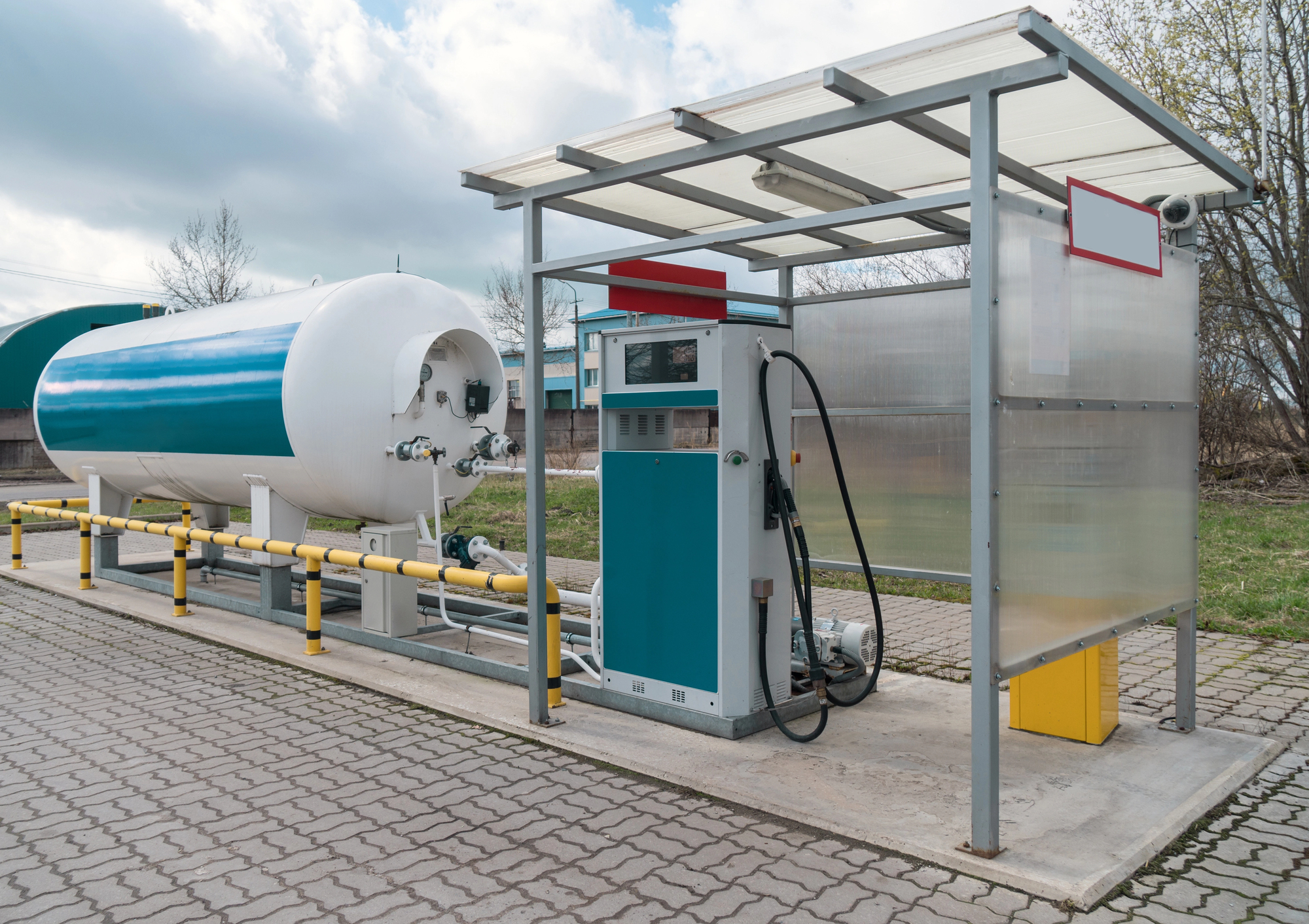
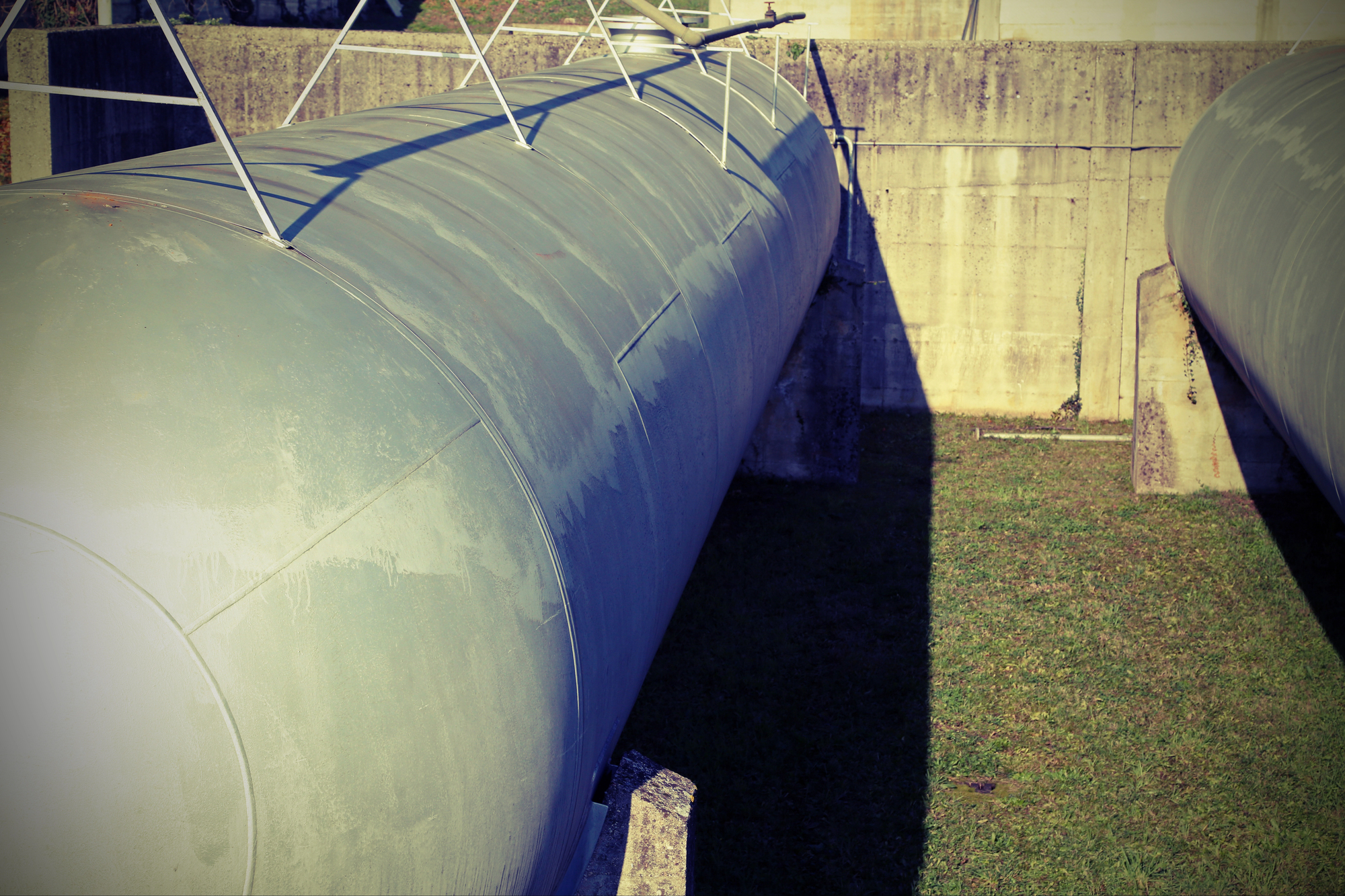
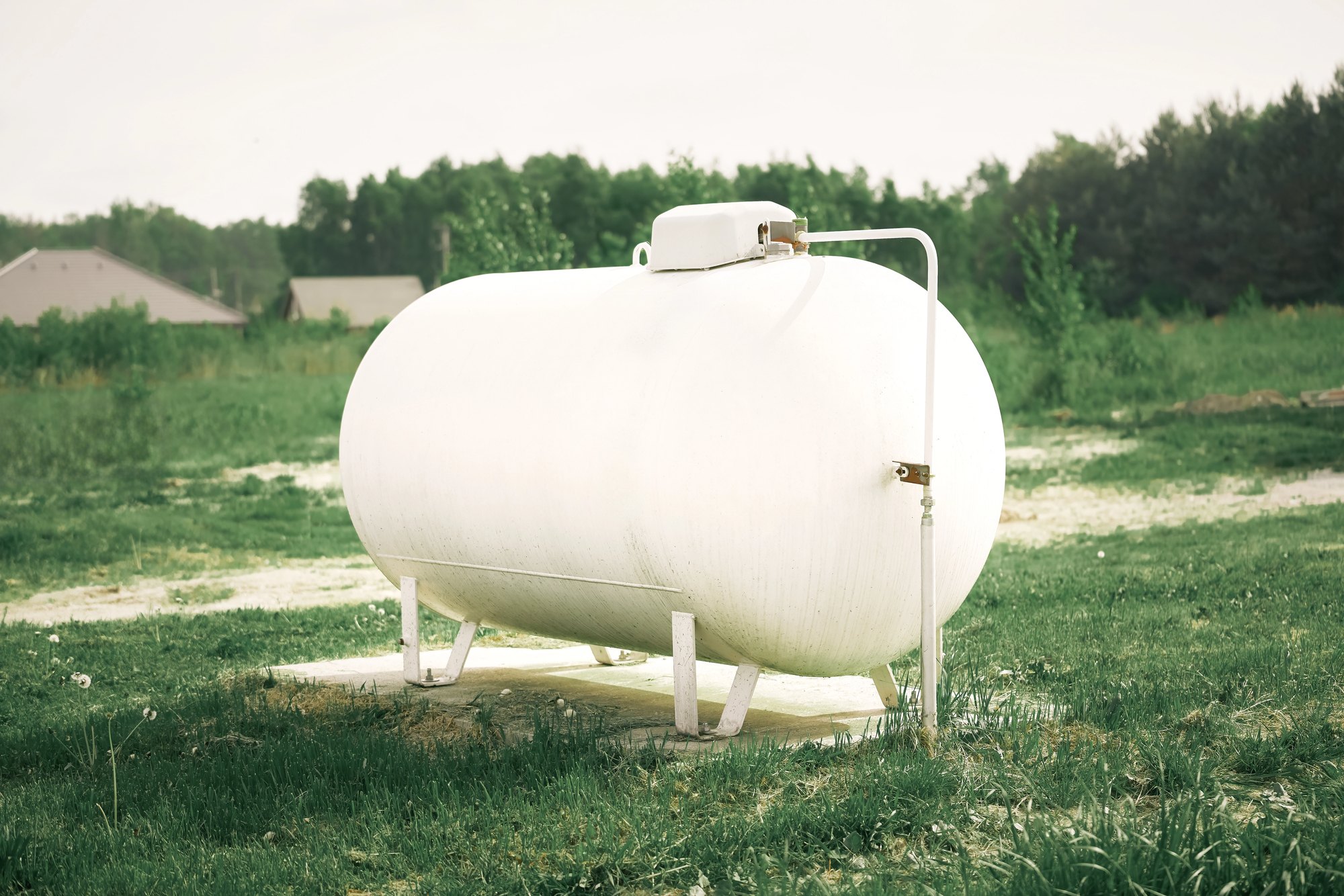
Temporary propane service provides a short-term fuel supply for construction activities, renovations, and other projects that need heating or fuel-powered equipment for a limited period.
Unlike a permanent propane installation, a temporary arrangement is planned around the specific requirements and duration of a project.
For example, a contractor completing a commercial renovation may need supplemental heat while the permanent heating system is unavailable.
Another project may require appropriate heating equipment to maintain conditions for concrete curing or finishing work.
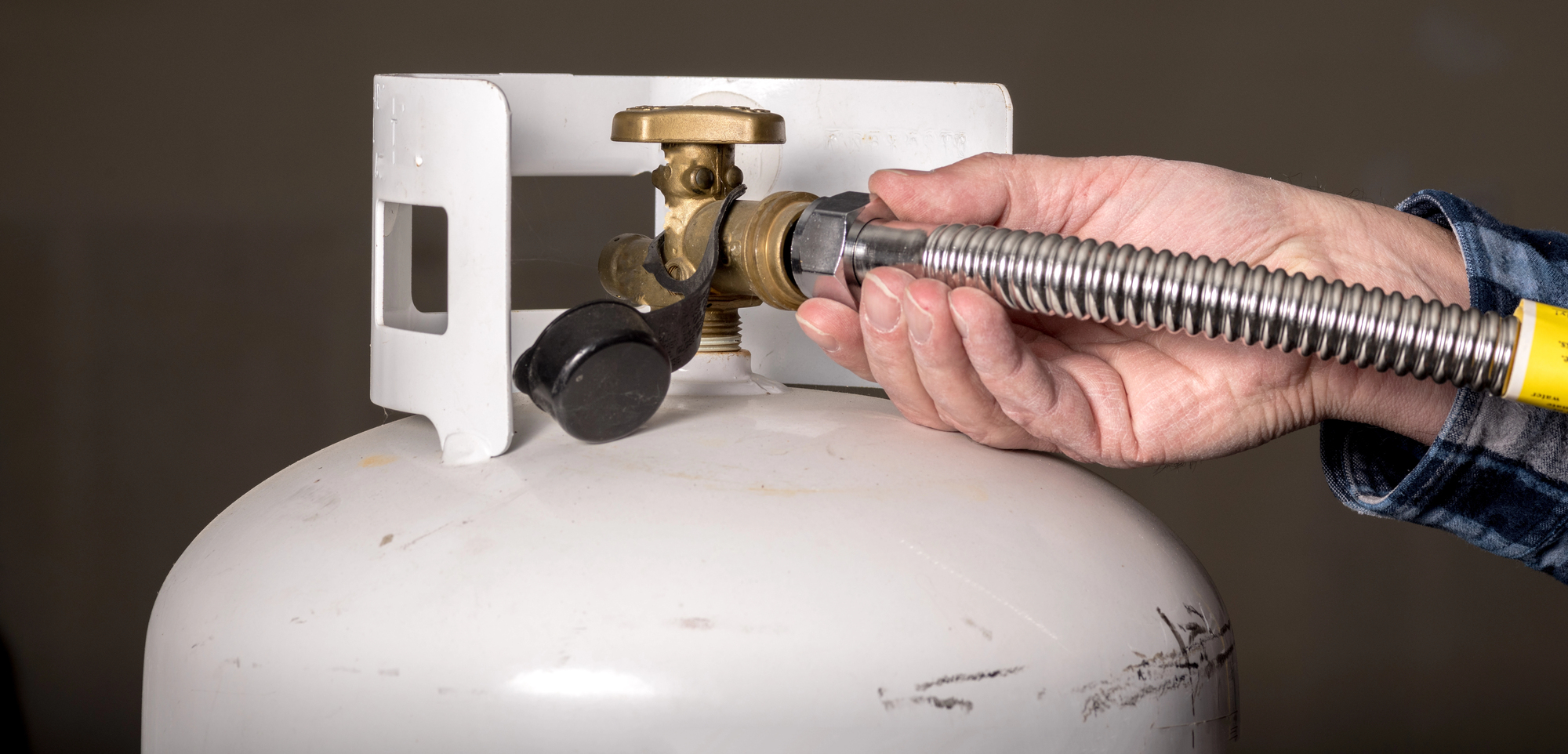
Otte Oil & Propane provides temporary propane services throughout its southeastern Nebraska service area. Its offerings include tanks, regulators, hoses, propane delivery, and equipment pickup at the end of the project.
The first step is understanding what the job actually requires.
A small renovation and a large construction project can have very different fuel demands.
Think about the size of the work area, whether it's enclosed, the type of equipment being used, and how long temporary heat will be necessary.
A contractor working on an unfinished building may need a different arrangement from one maintaining temperatures in a smaller, completed space.
Discuss these details with the propane provider and qualified heating-equipment professionals before choosing the setup.
Construction schedules change. Weather delays, inspections, and material availability can all extend the length of a project.
If temporary heat is expected to be needed for three weeks, consider what happens if the work continues into a fourth.
Discuss anticipated usage and delivery frequency before the first tank arrives.
The delivery team needs appropriate access to the designated equipment location.
Before scheduling, provide accurate site directions, a contact person, available access times, and information about any restrictions that could affect delivery.
Construction sites change as work progresses, so the contractor should communicate significant changes to access routes or equipment locations.
Otte's commercial propane services also offer flexible delivery arrangements for business customers.
Temporary propane may be used for several construction applications, depending on the equipment and project requirements.
Common examples include:
For concrete curing, the required temperature and duration depend on the materials, application, and project specifications. The contractor should follow the appropriate engineering guidance rather than assume that simply adding heat will produce the desired results.
Temporary heating equipment requires careful planning, especially inside enclosed or partially enclosed buildings.
Fuel-burning equipment can produce carbon monoxide, and inadequate ventilation can create serious hazards.
OSHA construction standards address temporary heating devices, including ventilation, equipment placement, and applicable safeguards.
Before operating temporary propane heaters:
Do not move, modify, or connect propane equipment without appropriate authorization and training.
For broader information about safe fuel handling, visit Otte's Safety First page.
The best delivery plan depends on estimated consumption, tank capacity, operating conditions, and the project's schedule.
A worksite that uses heat continuously may need a different refill schedule from one that operates equipment only during working hours.
Contractors should identify who will monitor fuel levels and contact the supplier when project requirements change.
It's also wise to allow for winter weather and site access restrictions that could affect delivery timing.
For additional seasonal planning considerations, read When Should You Schedule Your First Propane Delivery Before Winter?.
Arranging fuel before demand becomes urgent gives everyone more flexibility.
Yes. Otte Oil & Propane lists temporary propane tanks, regulators, hoses, fuel delivery, and equipment pickup among its services. The appropriate arrangement depends on the project.
Propane-fueled equipment may help maintain suitable environmental conditions for certain concrete curing applications. Heating requirements must follow the project's specifications, and the equipment must be appropriate for the worksite.
Contact the supplier during project planning rather than waiting until heating is urgently needed. Otte states that many temporary setups can be arranged within a few business days, but actual scheduling depends on equipment availability, location, and delivery capacity.
A cold forecast doesn't have to catch the crew without a fuel plan.
By reviewing heating requirements, confirming site access, discussing equipment needs, and arranging refills early, contractors can prepare for the demands of Nebraska's winter construction season.
Otte Oil & Propane provides temporary propane solutions for contractors throughout southeastern Nebraska.
Contact Otte Oil & Propane to discuss your project and request temporary propane service.
