
August 29, 2026
•
5
min read
Road Diesel vs. Off-Road Diesel: What Is the Difference?
Using the wrong fuel in the wrong vehicle can result in penalties, so farms, contractors and fleet operators need to understand which diesel belongs in each tank.
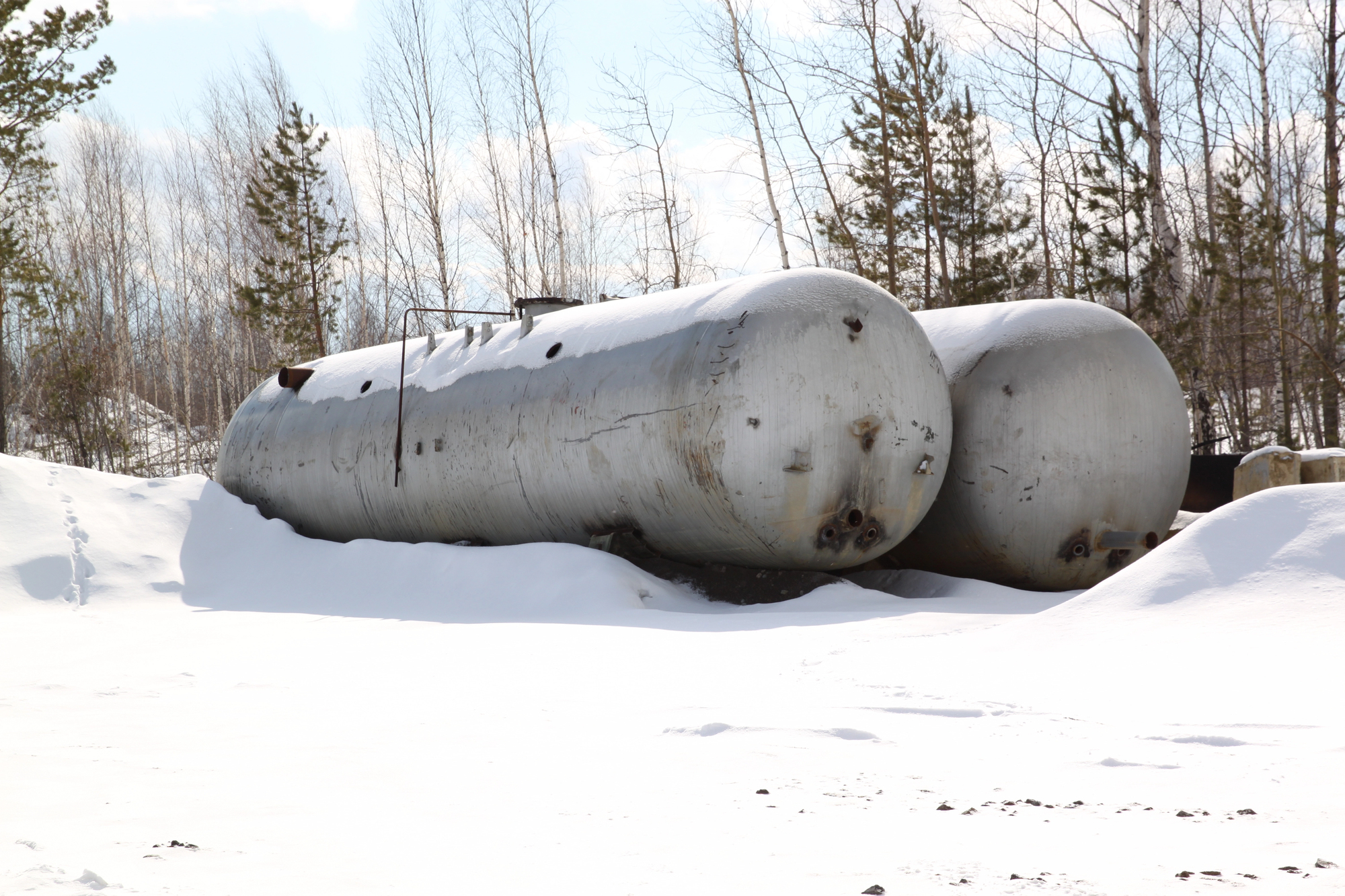
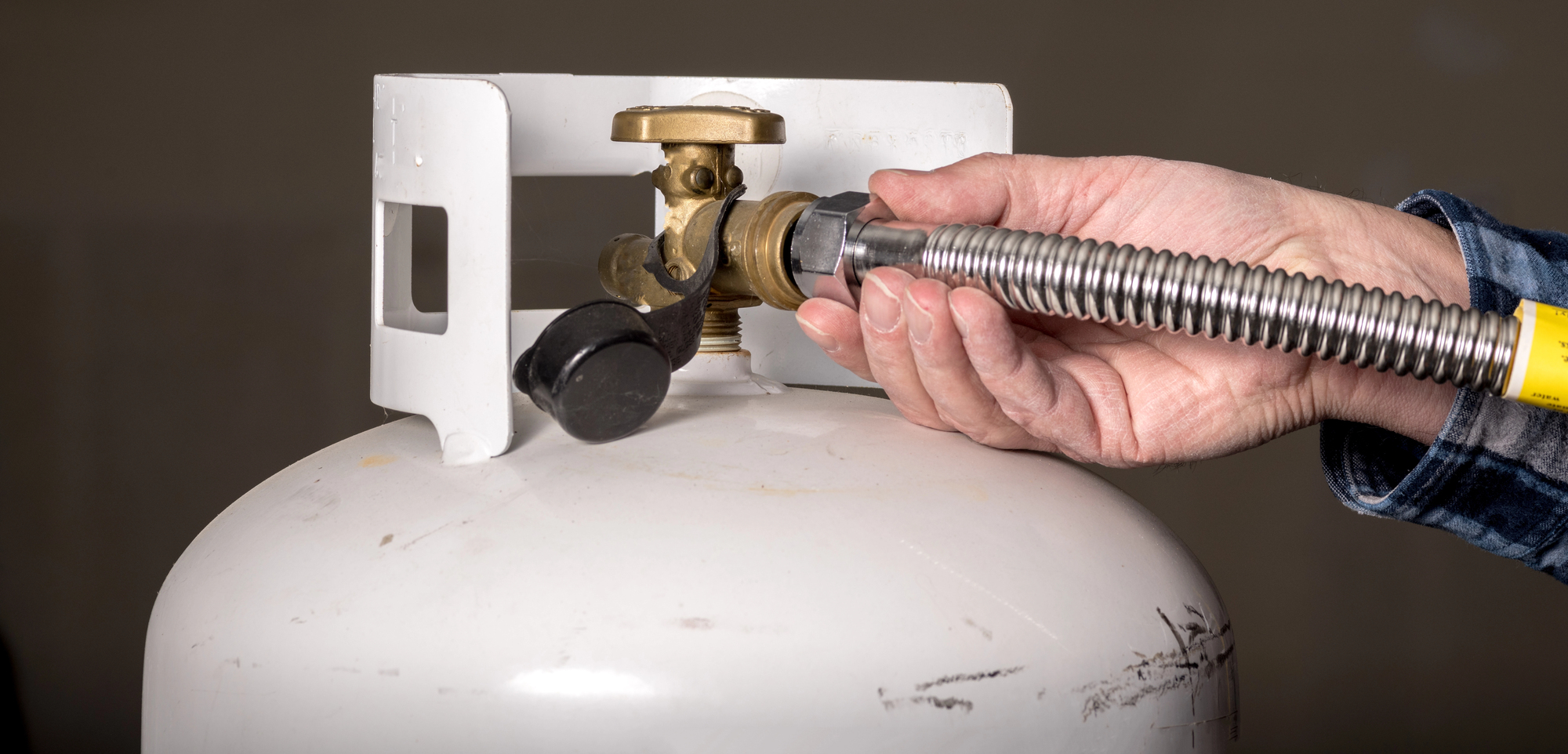
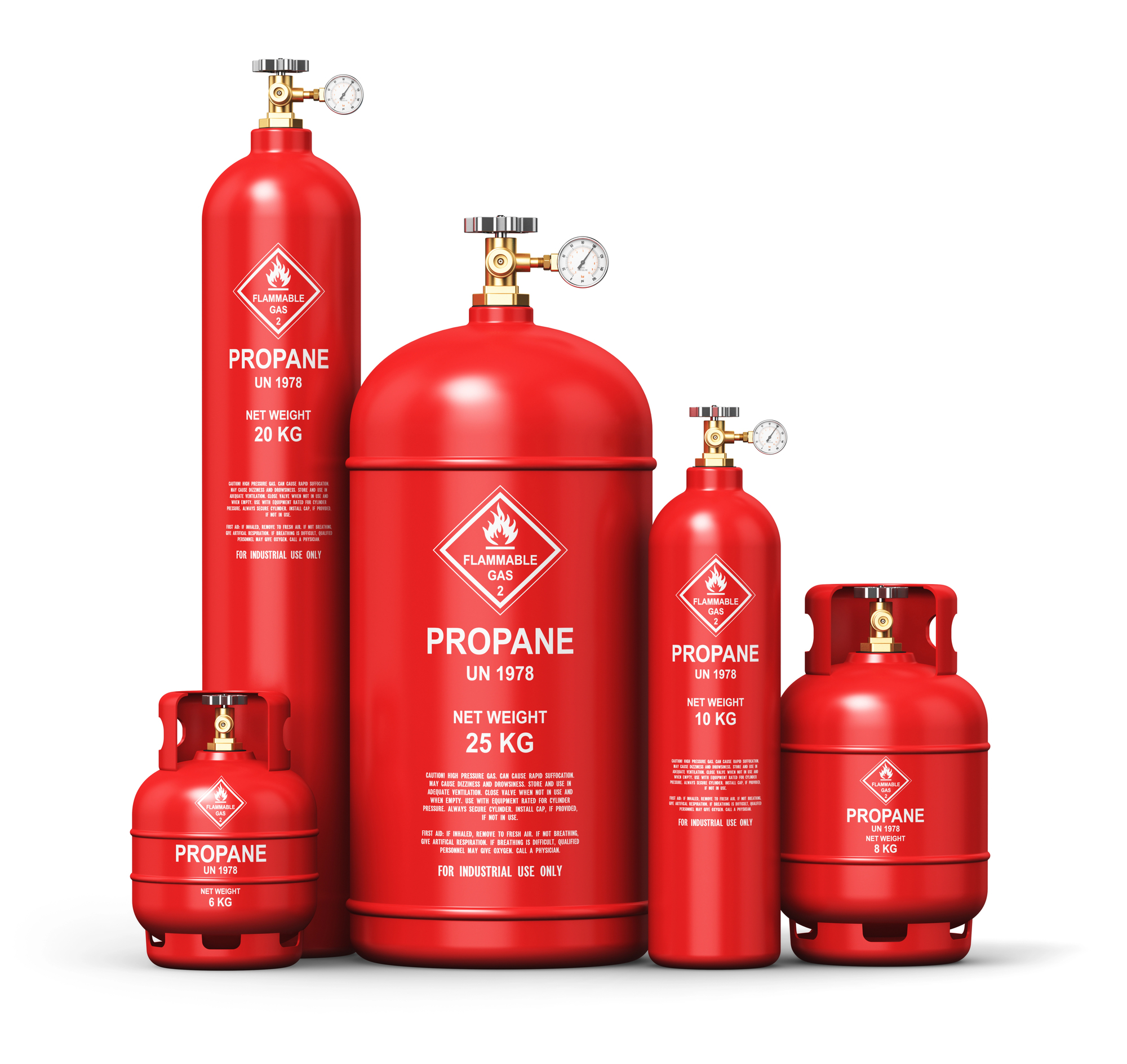













The first truly cold Nebraska morning has a way of exposing every item that did not make it onto the fall checklist. Suddenly, the windows need sealing, the snow shovel is still buried in the garage and the propane tank is looking suspiciously empty.
Scheduling your first propane delivery before winter helps you avoid the seasonal rush and gives you time to address any tank or account requirements before heating demand climbs.
Schedule your first winter propane delivery in late summer or early fall, ideally before temperatures begin dropping consistently. If your tank is already approaching a low level, do not wait for a specific date. Contact your propane provider early enough to allow time for account setup, delivery scheduling and any necessary system checks.
The best timing depends on your current fuel level, household usage, tank size and whether you use propane for heating, hot water, cooking or multiple appliances.
Winter weather can increase propane consumption quickly, especially when propane provides your primary home heating. Ordering before the first major cold snap allows you to begin the season with an adequate supply instead of watching the tank gauge while refreshing the forecast.
Early scheduling can also give your provider more flexibility. Once cold weather arrives, delivery demand rises across the region. Snow, ice and difficult road conditions may also affect routes and access to rural properties.
Think of it as buying the snow shovel before the blizzard. It is considerably less stressful when everyone else is not trying to do the same thing.
Do not assume that propane remaining from spring will carry your household through the beginning of winter. Check the gauge during late summer or early fall and continue monitoring it as temperatures fall.
How quickly your supply is used depends on several factors:
If you are unsure how to read your gauge or estimate your seasonal needs, contact your propane provider. Guessing may work for how many holiday cookies to bake. It is not a great winter fuel strategy.
New customers should allow additional time before winter. Your propane company may need details about the property, tank, appliances and delivery access before service can begin.
Be prepared to provide:
Otte Oil & Propane provides residential propane delivery throughout its Nebraska service area. New customers can start the process online, while existing customers can submit a propane delivery request.
Automatic delivery can be helpful for homeowners who do not want to monitor their tank and place every order themselves. The provider estimates when a delivery is needed based on factors such as previous usage and weather conditions.
Otte Oil & Propane’s automatic delivery service is designed to reduce the risk of an unexpected runout. It can be especially useful for households that rely heavily on propane throughout the winter or for homeowners who travel frequently.
Automatic delivery does not mean you should completely ignore your system. Changes in household occupancy, appliance usage or heating habits can affect fuel consumption, so keep your provider informed.
A propane tank monitor provides greater visibility into your fuel level and can send alerts when the supply reaches a certain point. This removes much of the guesswork from checking a gauge manually, particularly when the tank is located far from the house or difficult to reach during snow and ice.
Otte Oil & Propane offers propane tank monitoring for residential, agricultural and commercial customers. Monitoring can help households identify changes in usage and arrange deliveries before the tank becomes critically low.
Scheduling the delivery is only part of the preparation. Make sure the driver can safely reach your propane tank.
Keep the route free of vehicles, debris and low-hanging branches. Once snow arrives, clear driveways, gates and a safe path to the tank. Secure pets indoors and let the provider know about locked gates or other access concerns.
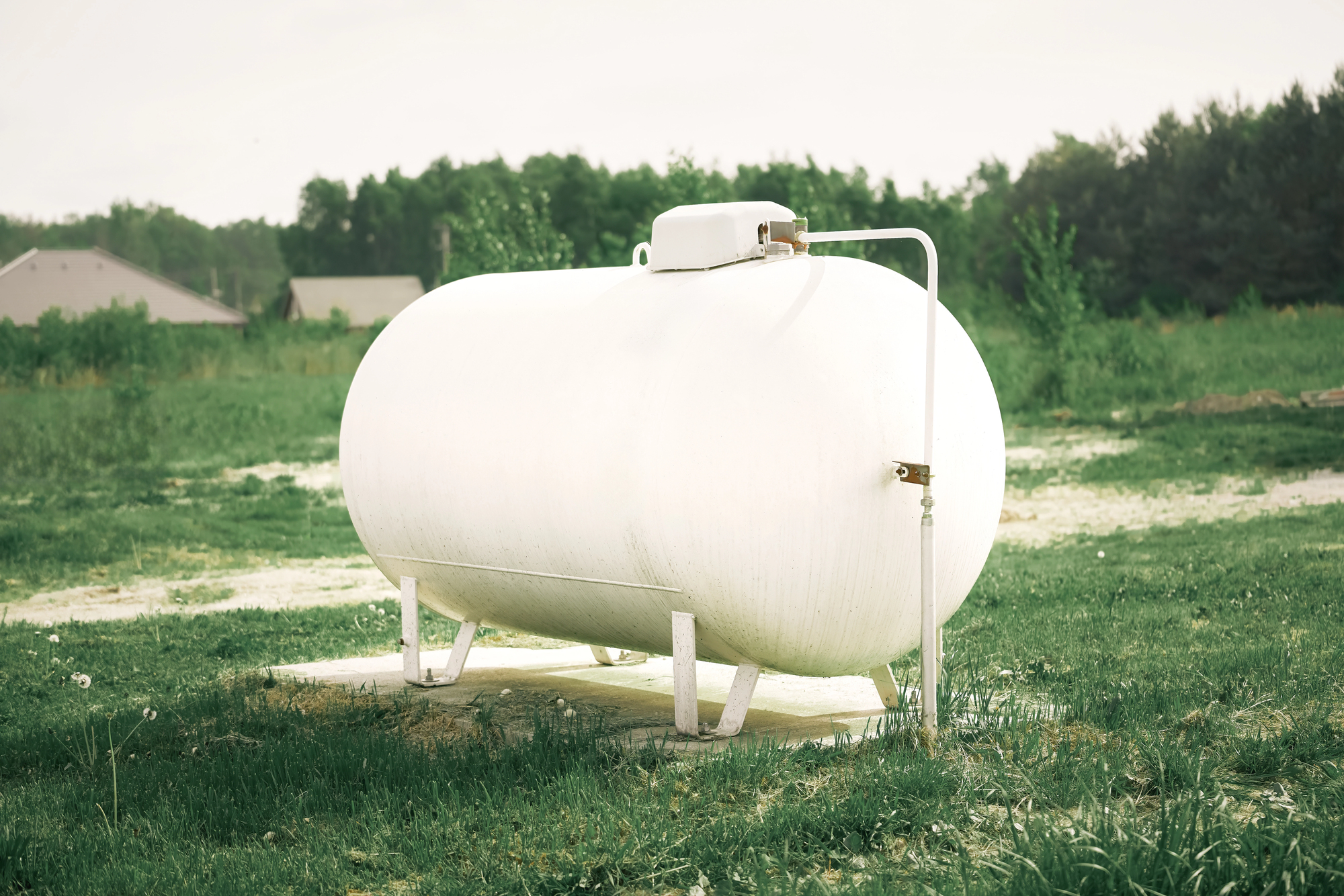
Clearly marking the tank location can also help when snow makes familiar landmarks disappear. Nebraska winters have a talent for making an obvious backyard tank suddenly look like part of the landscape.
There is no single level that fits every household. Your ideal starting level depends on tank size, expected weather and the number of propane appliances in your home. Ask your provider to help estimate your winter usage.
Yes, but scheduling earlier provides more flexibility and reduces the chance of reaching a critically low level during periods of high demand or severe weather.
A fuel runout may require additional safety procedures before service can resume. Do not attempt to restart the system yourself. Turn off the propane supply if it is safe to do so and contact your provider for instructions.
