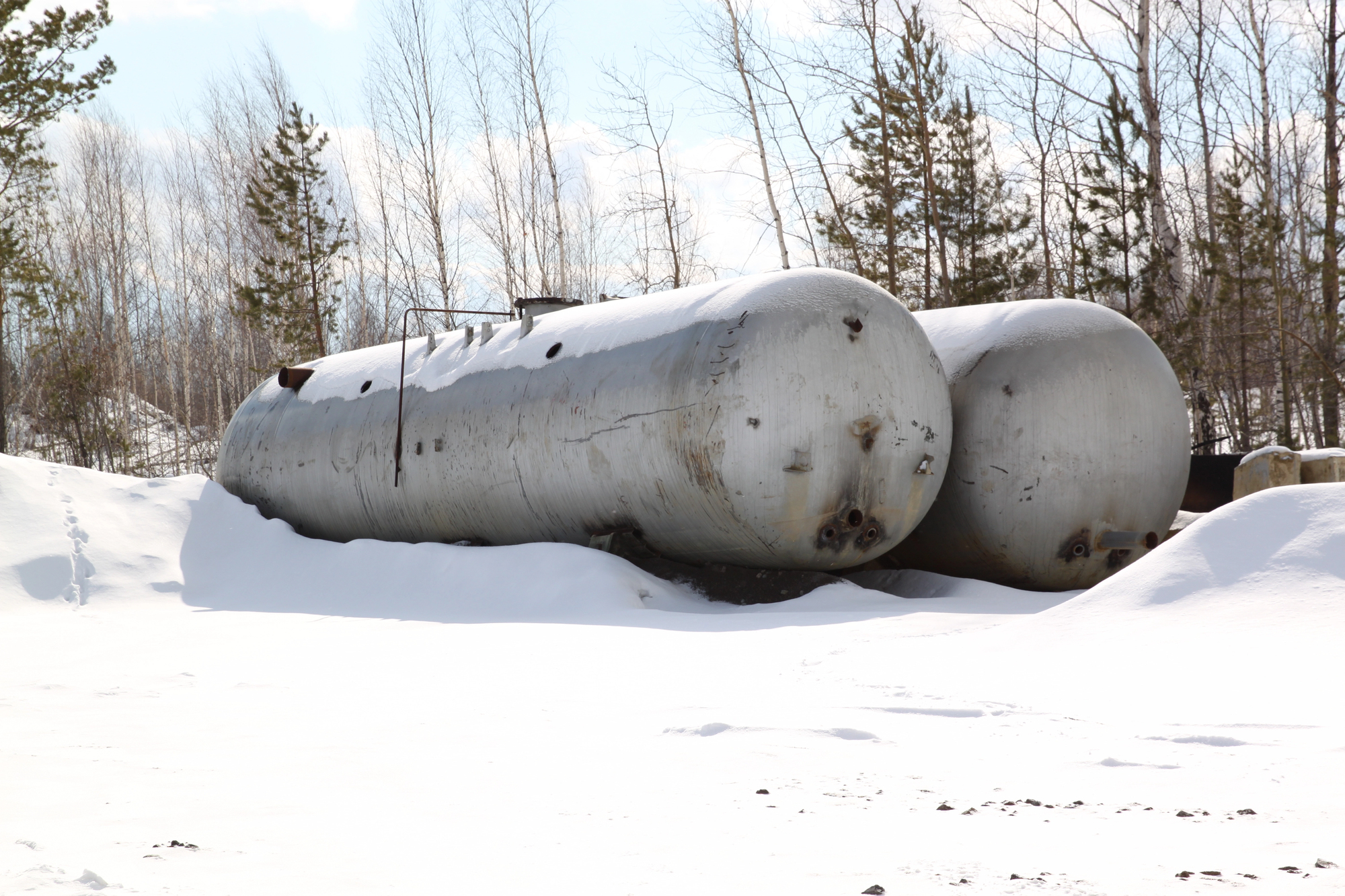
A diesel engine does not know whether it is powering a highway truck, a combine or an excavator. Tax authorities, however, care quite a bit.
Road diesel and off-road diesel may be chemically similar, but they are sold for different purposes and treated differently under federal and state fuel-tax laws. Using the wrong fuel in the wrong vehicle can result in penalties, so farms, contractors and fleet operators need to understand which diesel belongs in each tank.
What Is the Difference Between Road and Off-Road Diesel?
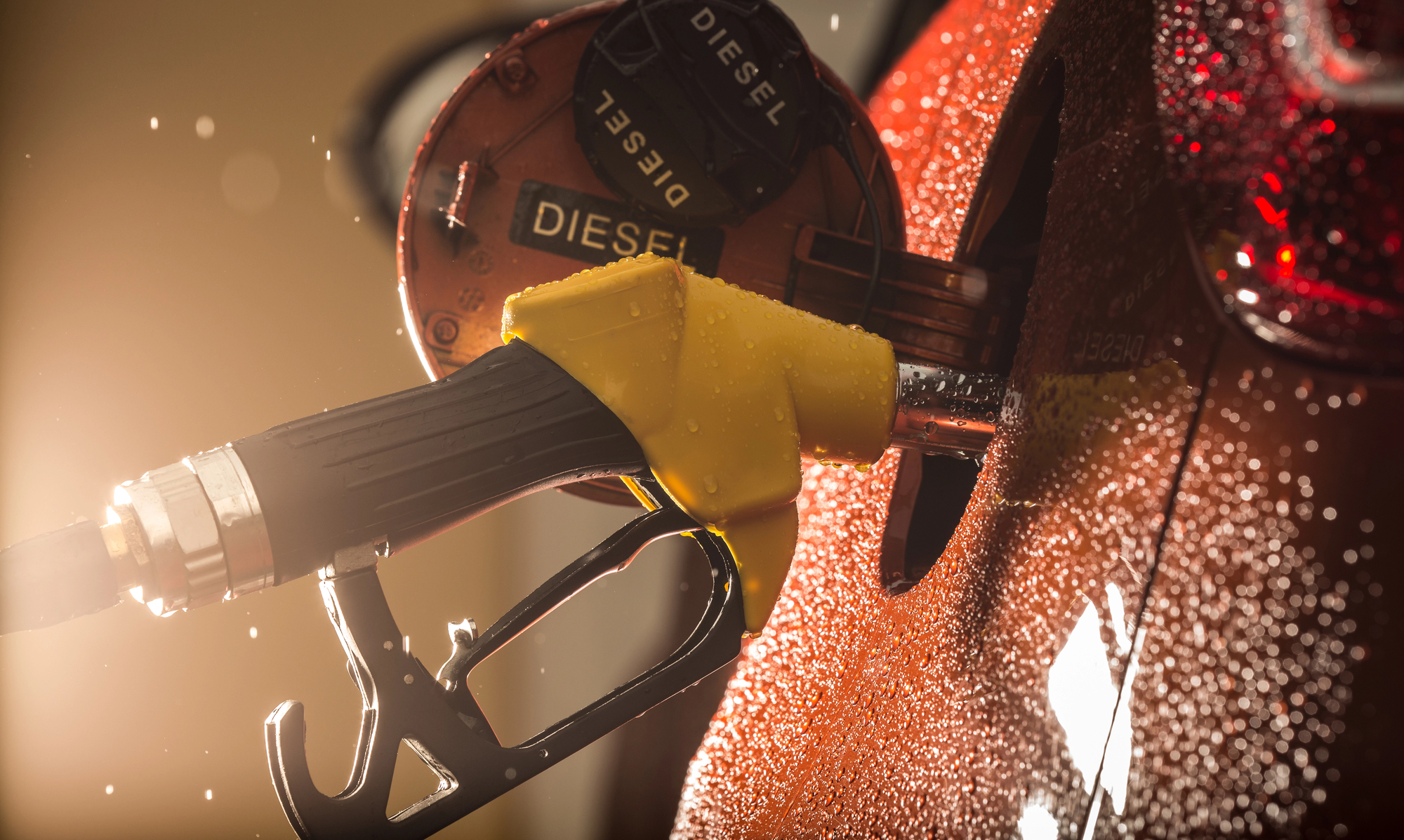
Road diesel, also called on-road or clear diesel, is intended for vehicles that travel on public roads. Applicable highway fuel taxes are included in its price.
Off-road diesel is dyed red so inspectors can identify it. It is intended for qualifying equipment that does not operate on public highways, such as tractors, combines, excavators and certain generators. It is generally priced differently because federal highway excise tax does not apply to qualifying off-highway uses.
The color identifies the fuel’s tax status and permitted use. It does not mean red diesel is a completely different type of fuel.
What Is Road Diesel Used For?
Road diesel powers vehicles licensed or intended to travel on public streets and highways. Common examples include:
- Semi-trucks and delivery vehicles
- Diesel pickup trucks
- Service and utility vehicles
- Buses
- Highway construction vehicles traveling on public roads
- Farm trucks driven between properties on public roads
If a vehicle uses public roads, clear road diesel is typically the appropriate choice. This remains true even if the vehicle also spends time on farms, construction sites or private property.
What Is Off-Road Diesel Used For?
Off-road diesel is intended for qualifying machinery and equipment used away from public highways. It is often referred to as dyed diesel, red diesel or farm diesel.
Common applications include:
- Tractors and combines
- Irrigation equipment
- Construction and earthmoving machinery
- Skid steers and loaders
- Stationary generators
- Certain industrial equipment
- Other qualified off-highway machinery
According to the IRS, dyed diesel is generally sold for uses exempt from federal highway excise tax, including qualifying farming and off-highway applications. Nebraska businesses should also review current motor-fuel requirements through the Nebraska Department of Revenue, as state tax rules and rates can change.
Why Is Off-Road Diesel Dyed Red?
The red dye makes off-road fuel easy to distinguish from taxable highway diesel. Inspectors may test a vehicle’s fuel tank to determine whether dyed diesel is being used illegally.
The dye does not provide additional power, improve performance or make the fuel better suited for farm machinery. Its job is much less exciting. It simply identifies the fuel as restricted for qualifying uses.
Using dyed diesel in a registered highway vehicle can lead to federal and state penalties. Saving a little at the pump is not worth the risk of a very expensive conversation with an inspector.
Can You Use Road Diesel in Off-Road Equipment?
Road diesel can generally operate compatible off-road diesel equipment, although it may cost more because its price includes highway-related taxes.
For example, a farmer who temporarily runs out of dyed diesel may be able to use clear diesel in a compatible tractor. The reverse is where the legal problem appears. Dyed diesel should not be placed in a truck or another vehicle operated on public highways unless a specific legal exemption applies.
Always check the equipment manufacturer’s fuel requirements before switching fuels. Diesel grade, sulfur content, biodiesel blend and seasonal conditions may also affect compatibility.
Are Road and Off-Road Diesel Chemically Different?
In many cases, both fuels are ultra-low sulfur diesel and meet similar performance standards. The primary differences are the added red dye, tax treatment and legally permitted use.
That does not mean every diesel product is interchangeable. No. 1 diesel, No. 2 diesel, biodiesel blends and winterized products can have different characteristics. Equipment owners should confirm the required fuel type instead of making a decision based only on whether the fuel is clear or red.
Otte Oil & Propane supplies No. 1 diesel, on-road diesel and off-road diesel for Nebraska farms, fleets and heavy equipment.
How Can Businesses Prevent Diesel Fuel Mix-Ups?
A simple storage mistake can become a compliance problem, damage customer trust or leave equipment without the correct fuel. Clear labeling and consistent procedures help prevent cross-contamination.
Keep road and off-road diesel in separate, clearly marked tanks. Use color-coded nozzles or caps, train employees on the difference and restrict access when possible. Delivery records should also identify the product, quantity, storage tank and intended use.
Farms with both road vehicles and field equipment should be particularly careful. One fuel may power the tractor, while the truck parked beside it requires another.
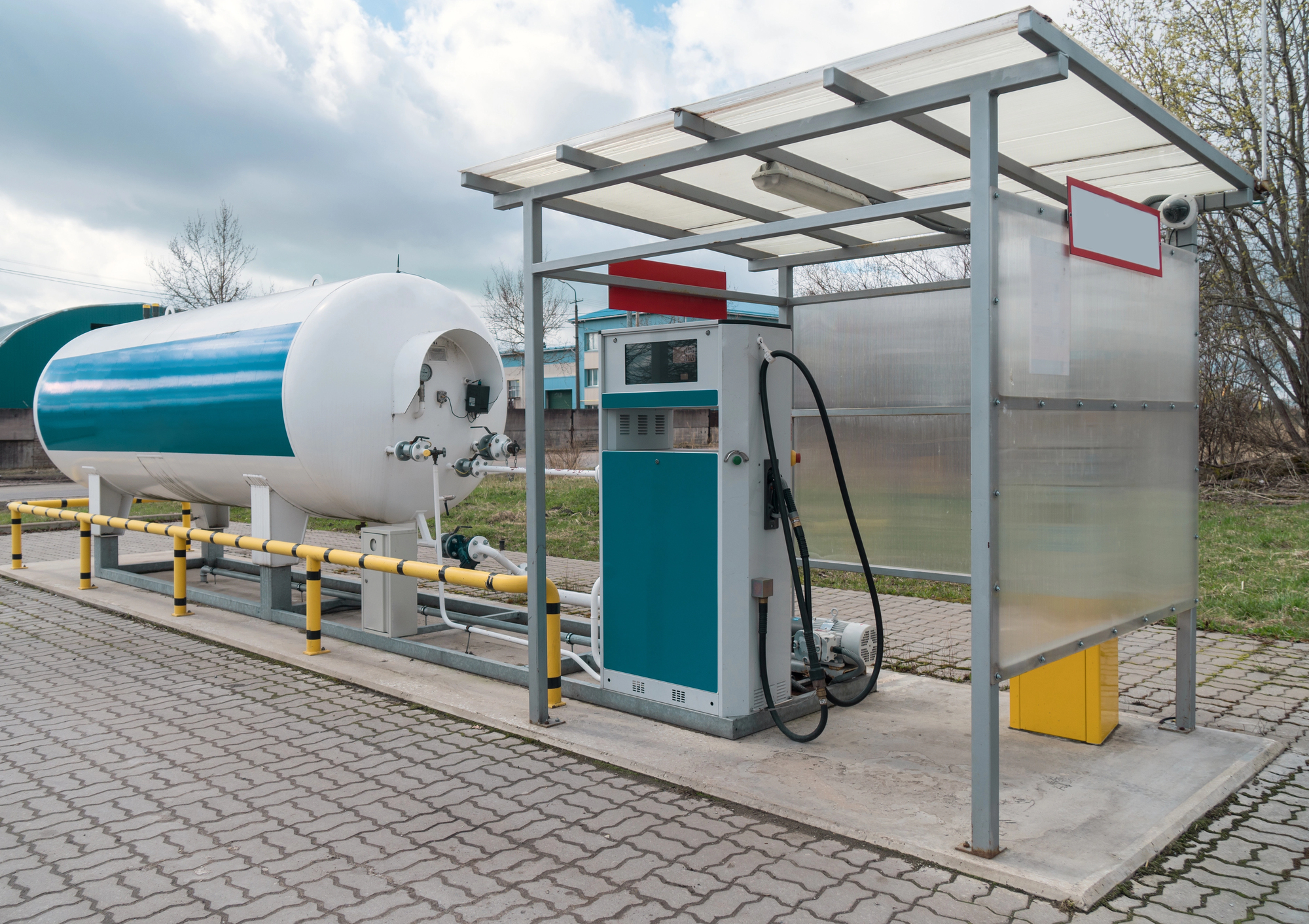
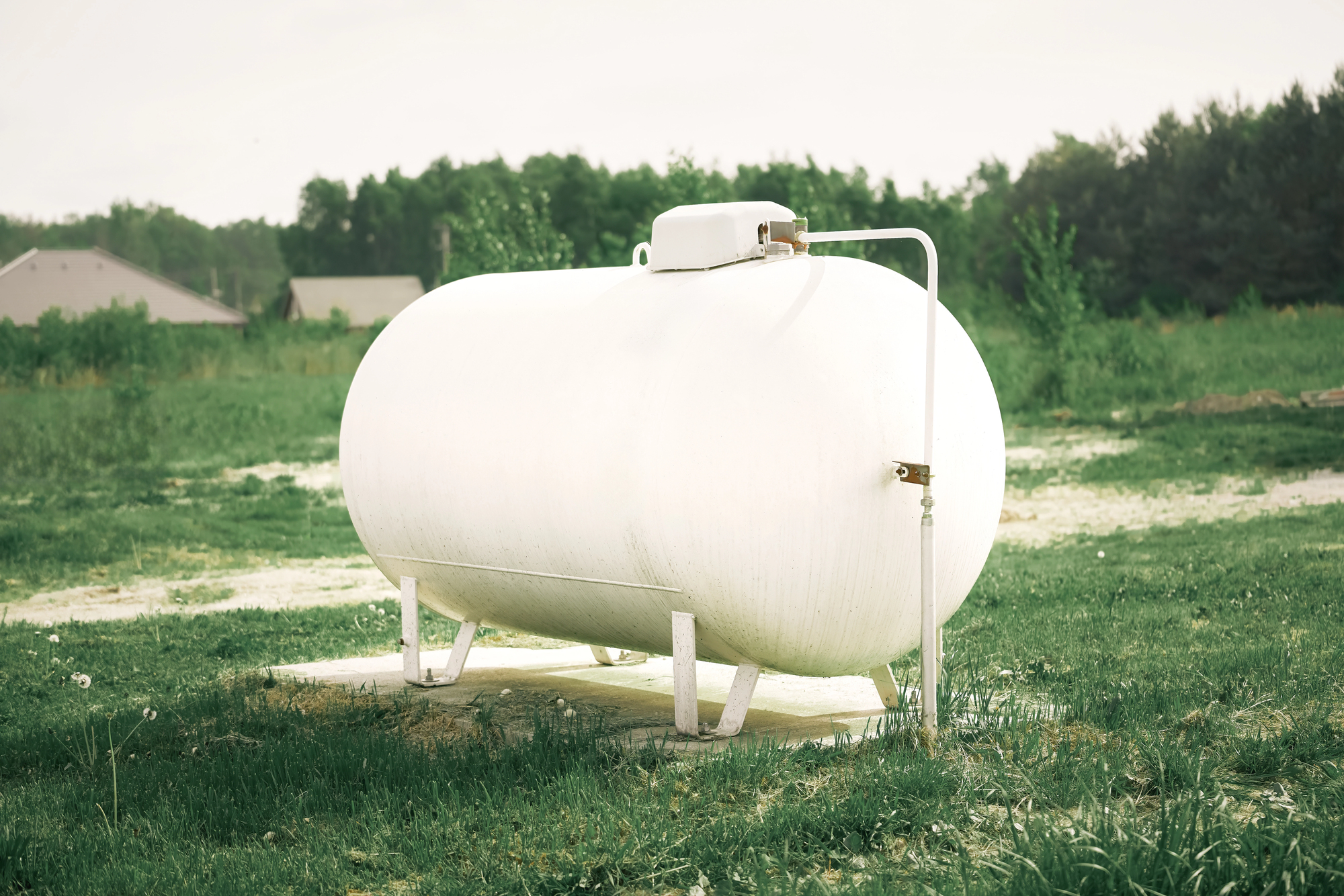
Otte Oil & Propane offers agricultural fuel services, including bulk delivery options for road diesel, off-road diesel and gasoline.
Which Diesel Fuel Should You Order?
Start with the equipment and where it operates.
Choose road diesel for licensed vehicles traveling on public roads. Choose off-road diesel only for equipment and applications that qualify under current federal and Nebraska rules. If a piece of equipment operates in both environments or its eligibility is unclear, speak with your fuel provider or tax professional before filling the tank.
When requesting delivery, provide the fuel type, expected usage, tank capacity and delivery location. These details help the supplier bring the correct product and create a schedule that fits your operation.
Frequently Asked Questions
1. Is off-road diesel cheaper than road diesel?
It is often less expensive because certain highway fuel taxes do not apply to qualifying off-road uses. Exact prices and state tax treatment can change, so compare current rates when ordering.
2. Will off-road diesel damage a truck engine?
The primary concern is usually legal compliance rather than the red dye itself. Dyed diesel cannot generally be used in vehicles operating on public highways, even if the engine could run on it.
3. Can farm trucks use off-road diesel?
Not simply because they belong to a farm. A farm truck driven on public roads generally requires road diesel unless a specific exemption applies. Confirm current requirements before fueling.