

August 29, 2026
•
5
min read
Road Diesel vs. Off-Road Diesel: What Is the Difference?
Using the wrong fuel in the wrong vehicle can result in penalties, so farms, contractors and fleet operators need to understand which diesel belongs in each tank.




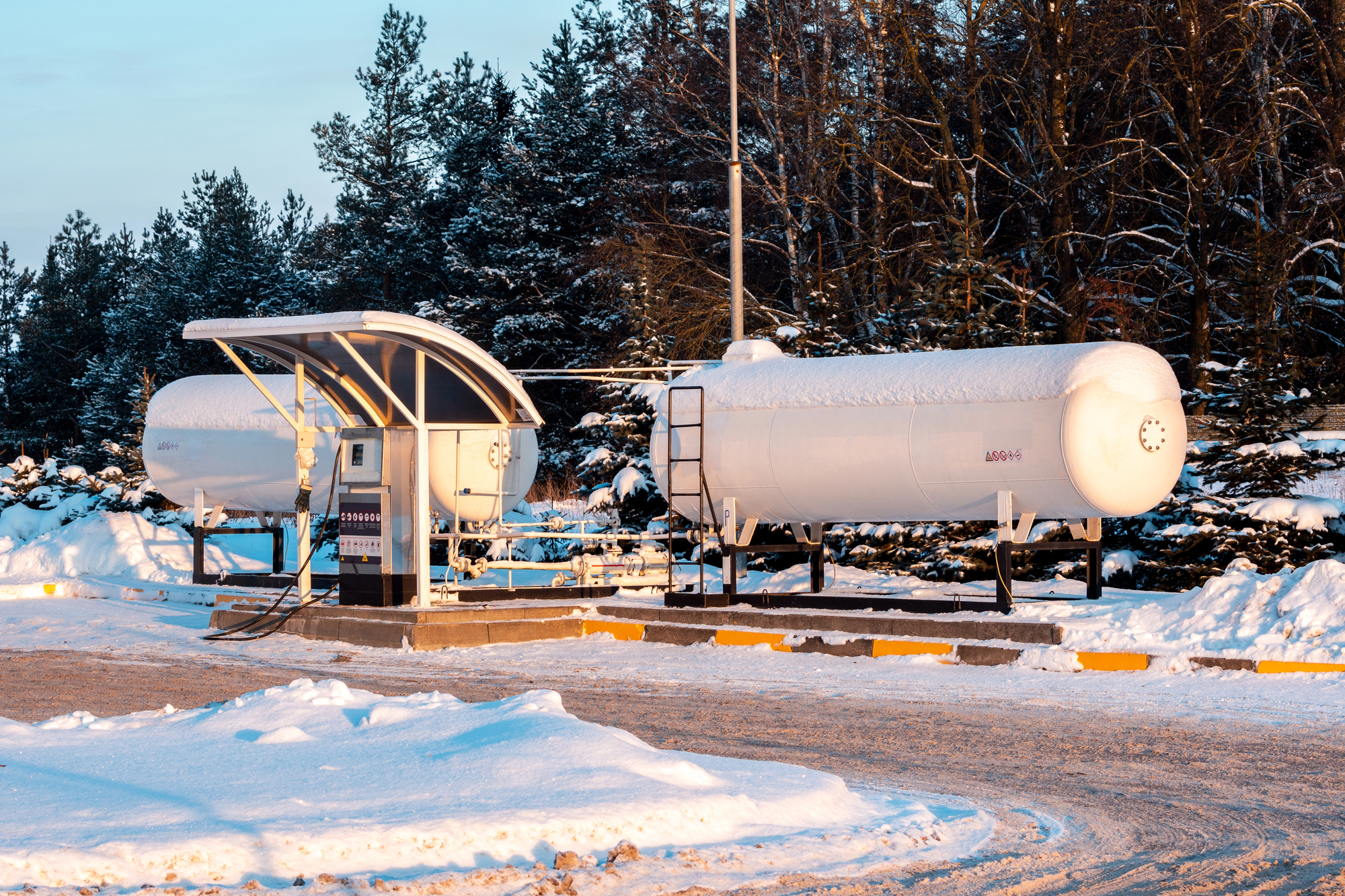


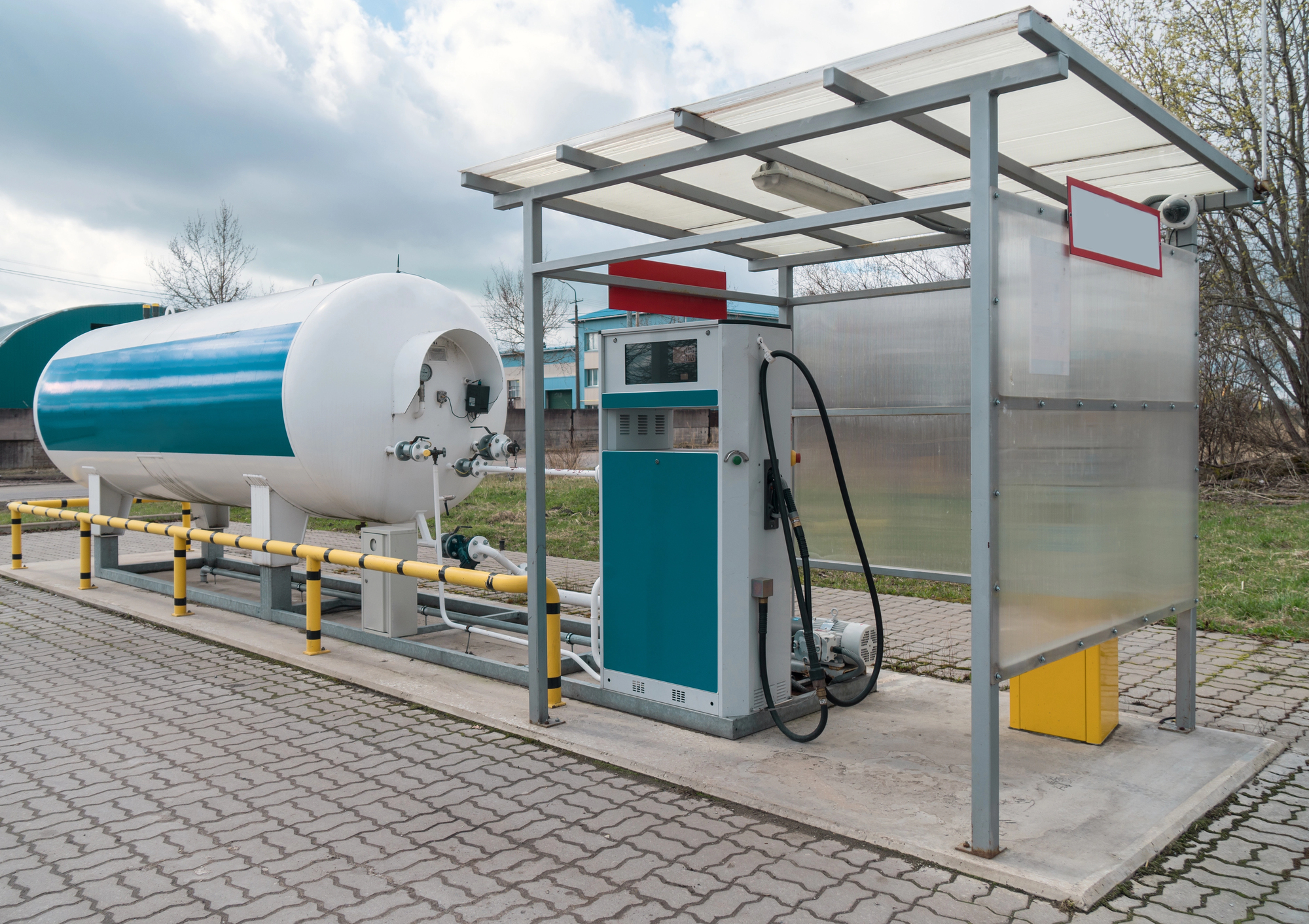








When winter rolls in, farming doesn’t stop—but your equipment might if your fuel isn’t ready.
Cold temperatures can turn diesel into a thick, sludgy mess, stall engines, and put your day behind before the sun’s even up. That’s why winter fuel prep is a must for any farm looking to stay productive through the coldest months.
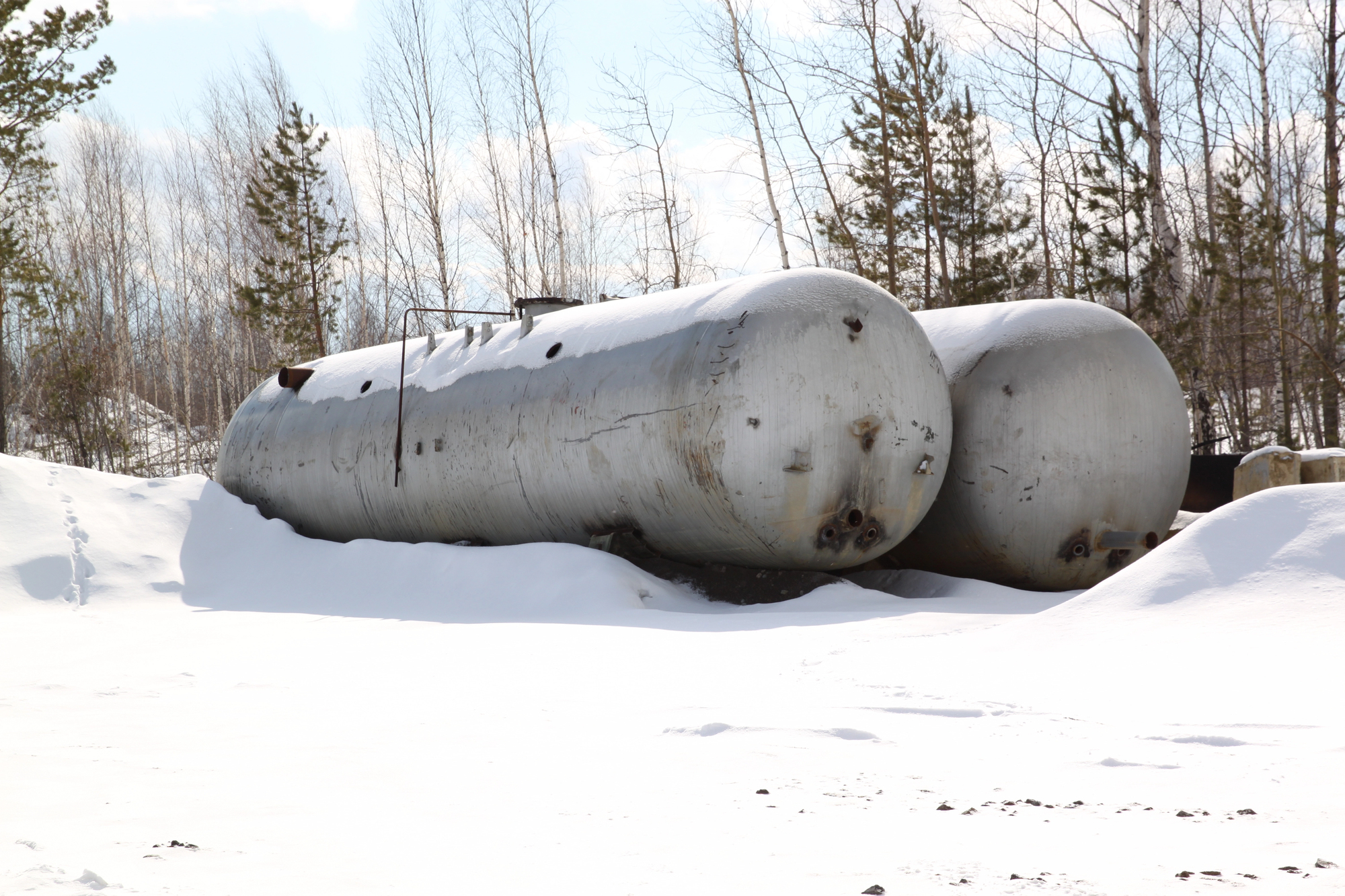
Freezing temperatures can cause diesel fuel to gel, restricting flow and clogging filters. Water condensation in tanks is another cold-weather risk, potentially freezing fuel lines or damaging injectors. Add in longer warm-up times and slower engine turnover, and it’s easy to see why many farmers face delays when the thermometer drops.
Farmers know the value of preparation—and fuel is no exception. These simple steps can help you avoid downtime and protect your investment:
At Otte Oil, we help local farms prepare for every season. Whether you’re fueling tractors, harvesters, or on-site generators, our cold-weather fuel blends and responsive delivery services ensure your operation doesn’t miss a beat—even in the dead of winter. Contact Otte Oil to set up a seasonal fueling strategy tailored to your equipment and climate.
