

August 29, 2026
•
5
min read
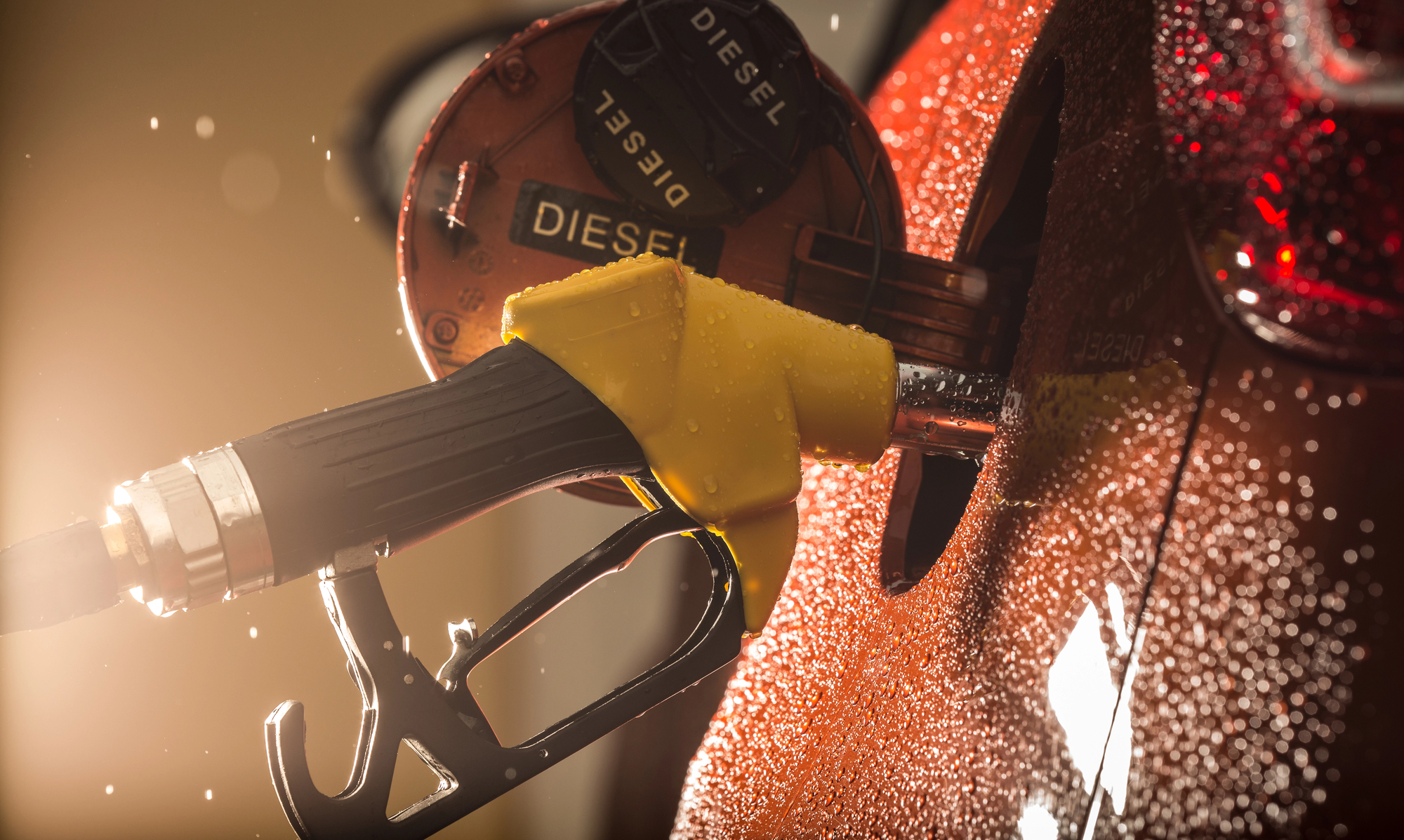
Road Diesel vs. Off-Road Diesel: What Is the Difference?
Using the wrong fuel in the wrong vehicle can result in penalties, so farms, contractors and fleet operators need to understand which diesel belongs in each tank.
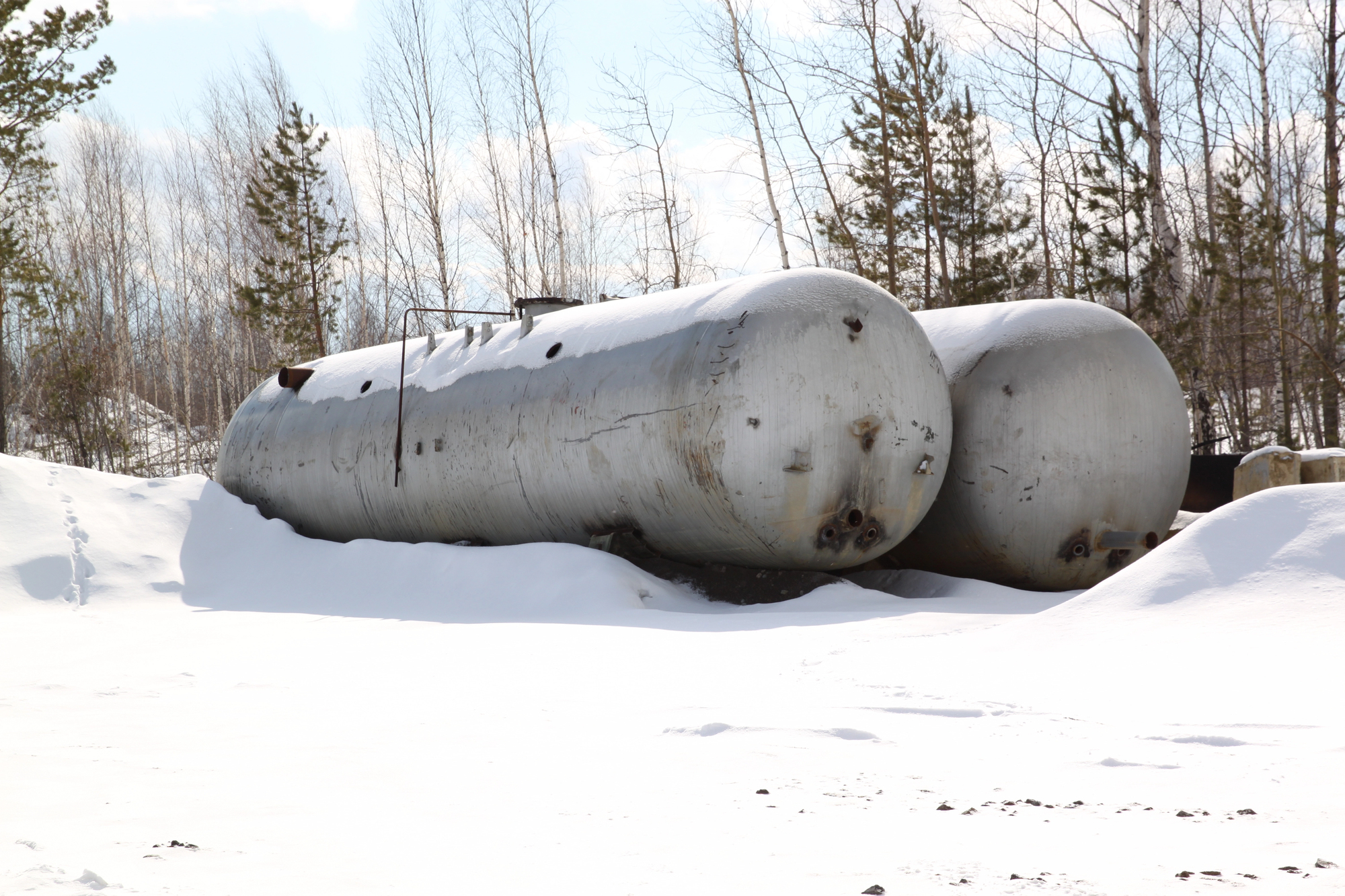
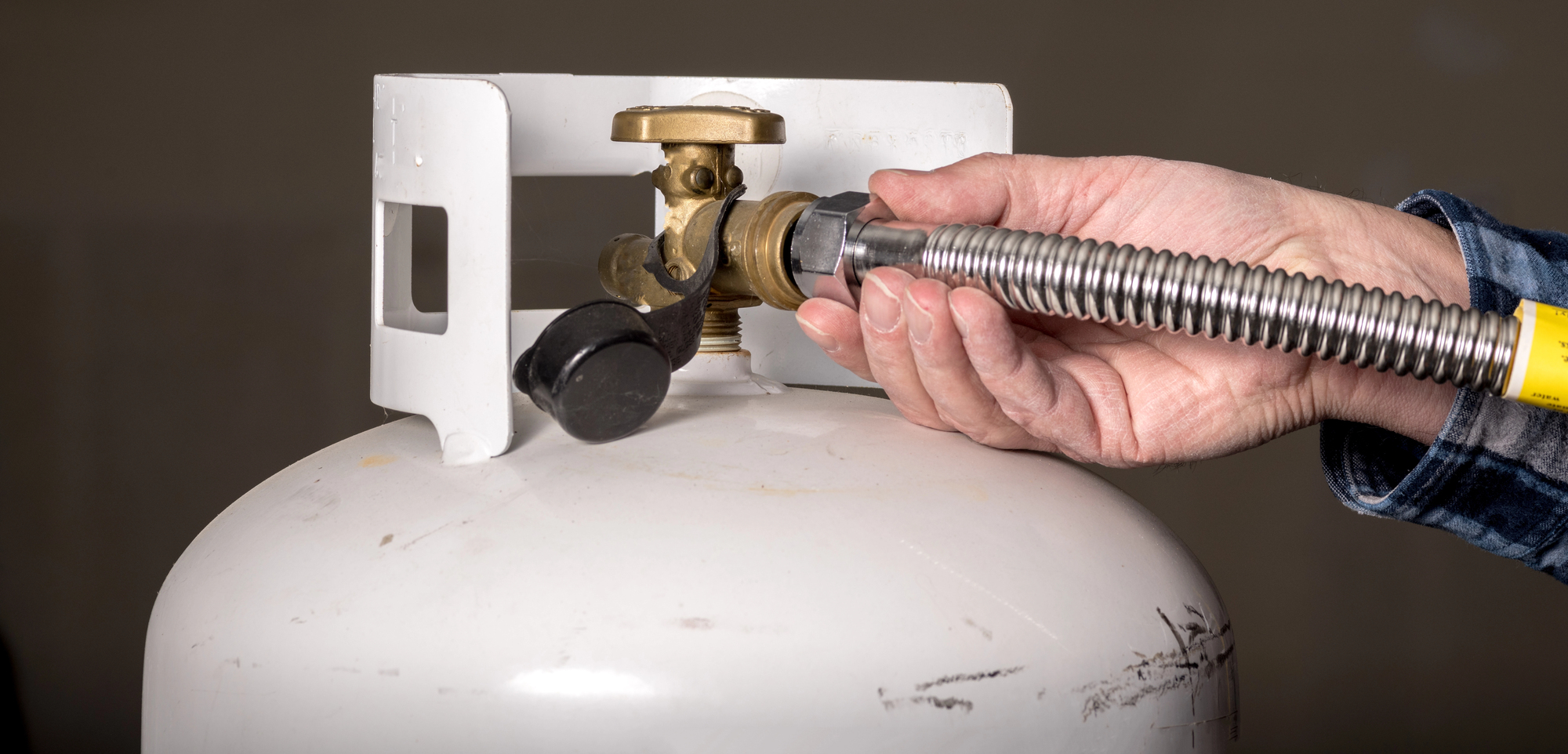
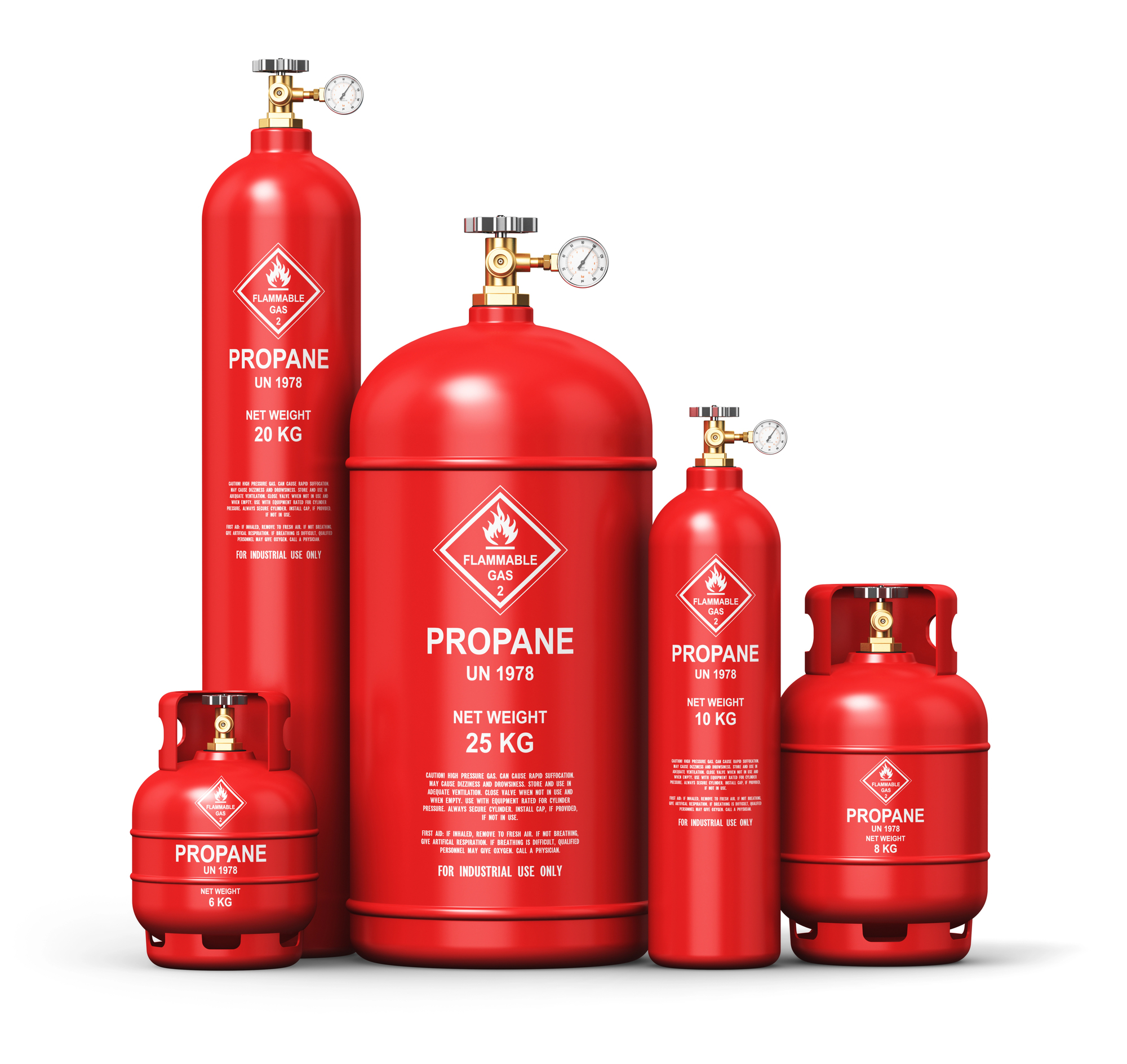


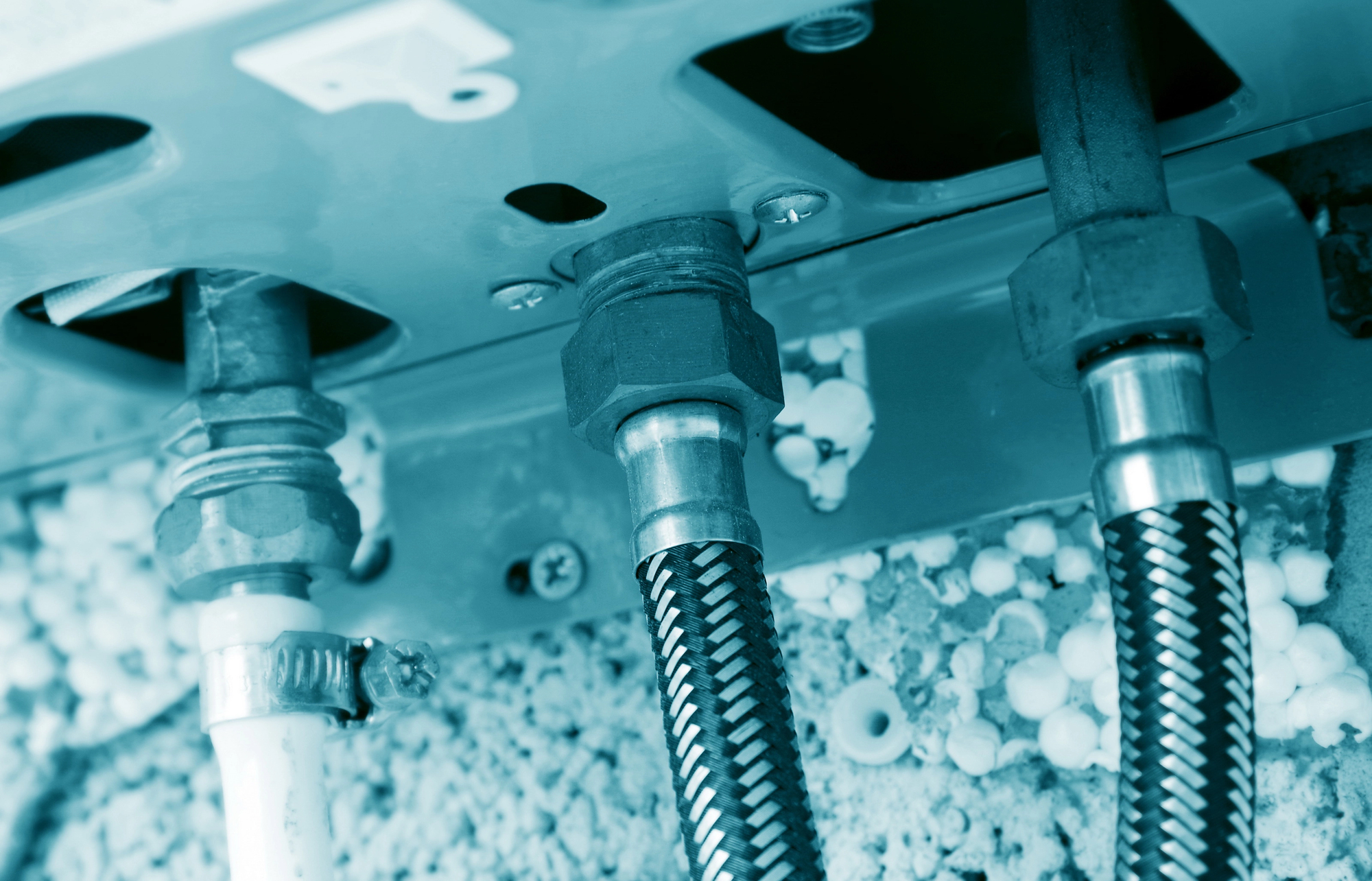


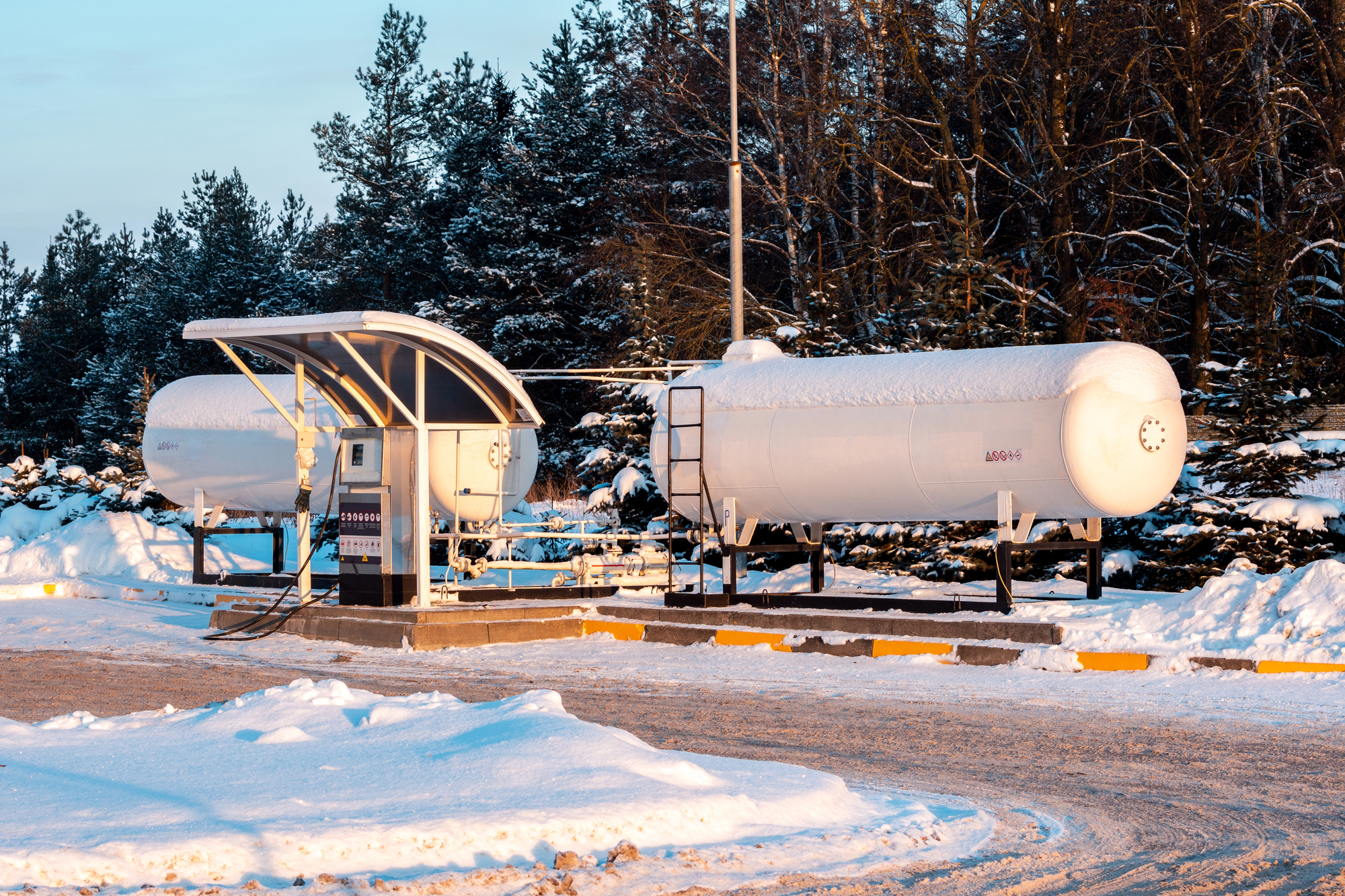


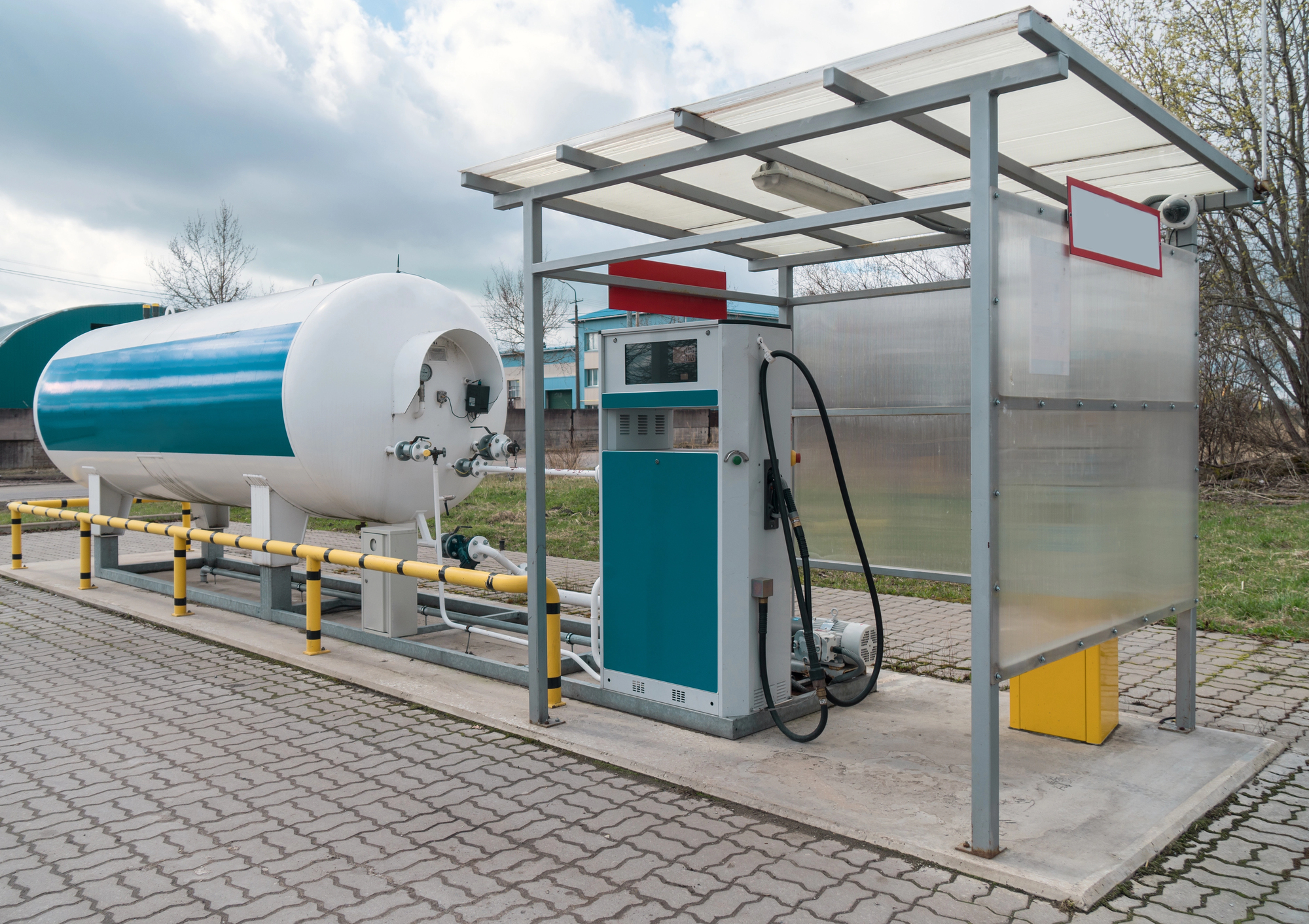








Winter weather brings unique challenges for businesses that rely on fuel to keep operations running. From heating systems and backup generators to fleets and heavy equipment, proper fuel storage becomes critical when temperatures drop.
Understanding how winter conditions affect stored fuel helps businesses avoid disruptions, equipment damage, and unexpected costs. Taking a proactive approach to winter fuel storage can make the difference between smooth operations and costly downtime during the coldest months of the year.
Low temperatures can change the behavior of fuel, especially diesel and heating oil. In cold weather, fuel can thicken, form wax crystals, or gel, which restricts flow and impacts performance. Condensation can also form inside storage tanks as temperatures fluctuate, introducing moisture that leads to corrosion or microbial growth.
These issues are more likely when fuel sits unused or storage systems are not properly maintained. Winter conditions make it essential to monitor fuel quality and tank conditions more closely.
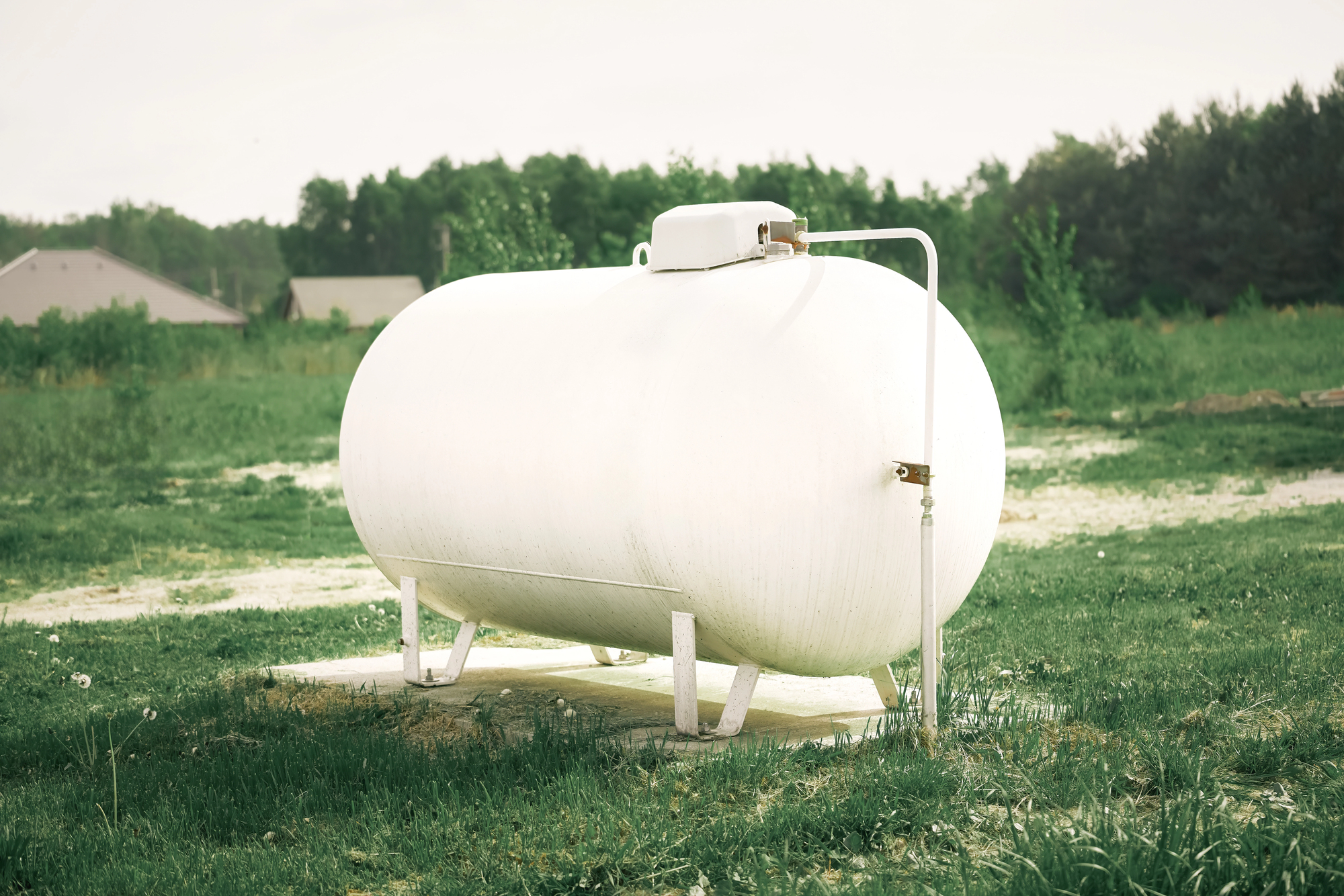
Well-maintained storage tanks are the foundation of effective winter fuel management. Tanks should be inspected regularly for leaks, rust, and signs of water buildup. Fuel filters and lines should also be checked to ensure they are clean and functioning properly.
Keeping tanks full during winter helps reduce condensation by limiting the amount of air inside the tank. This simple step can significantly lower the risk of moisture-related fuel problems during cold weather.
Fuel usage often increases during winter as heating systems run longer and equipment operates under heavier loads. Businesses should plan storage levels accordingly to avoid running low during periods of extreme cold or limited delivery access.
Working with a fuel provider to schedule regular deliveries or set up automatic delivery can help maintain consistent fuel levels throughout the season. This approach reduces the risk of emergency deliveries when weather conditions are most challenging.
Fuel additives can play an important role in protecting fuel quality during winter. Anti-gel additives help prevent diesel fuel from thickening in low temperatures, while stabilizers can extend fuel life during long storage periods.
Properly managing fuel quality also includes monitoring for water contamination and addressing issues promptly. Clean, treated fuel supports better equipment performance and reduces the likelihood of winter-related breakdowns.
Winter conditions can limit access to fuel storage areas, especially during snowstorms or icy conditions. Ensuring storage tanks are accessible for deliveries and inspections is essential for uninterrupted service.
Clear access points, well-marked tanks, and maintained driveways or fueling areas help facilitate safe and efficient deliveries even during harsh weather. Planning for accessibility reduces delays and safety risks for both businesses and delivery drivers.
Winter fuel storage is about more than having enough fuel on hand. It involves maintaining tank systems, protecting fuel quality, and planning for increased demand and limited access. Businesses that prepare early are better positioned to avoid disruptions when winter conditions intensify.
Otte Oil works with businesses to support winter fuel storage needs through consistent delivery, knowledgeable service, and seasonal planning. By taking the right steps ahead of time, businesses can maintain confidence in their fuel supply all winter long. Contact us today to learn about how we can help.
